← Back to Home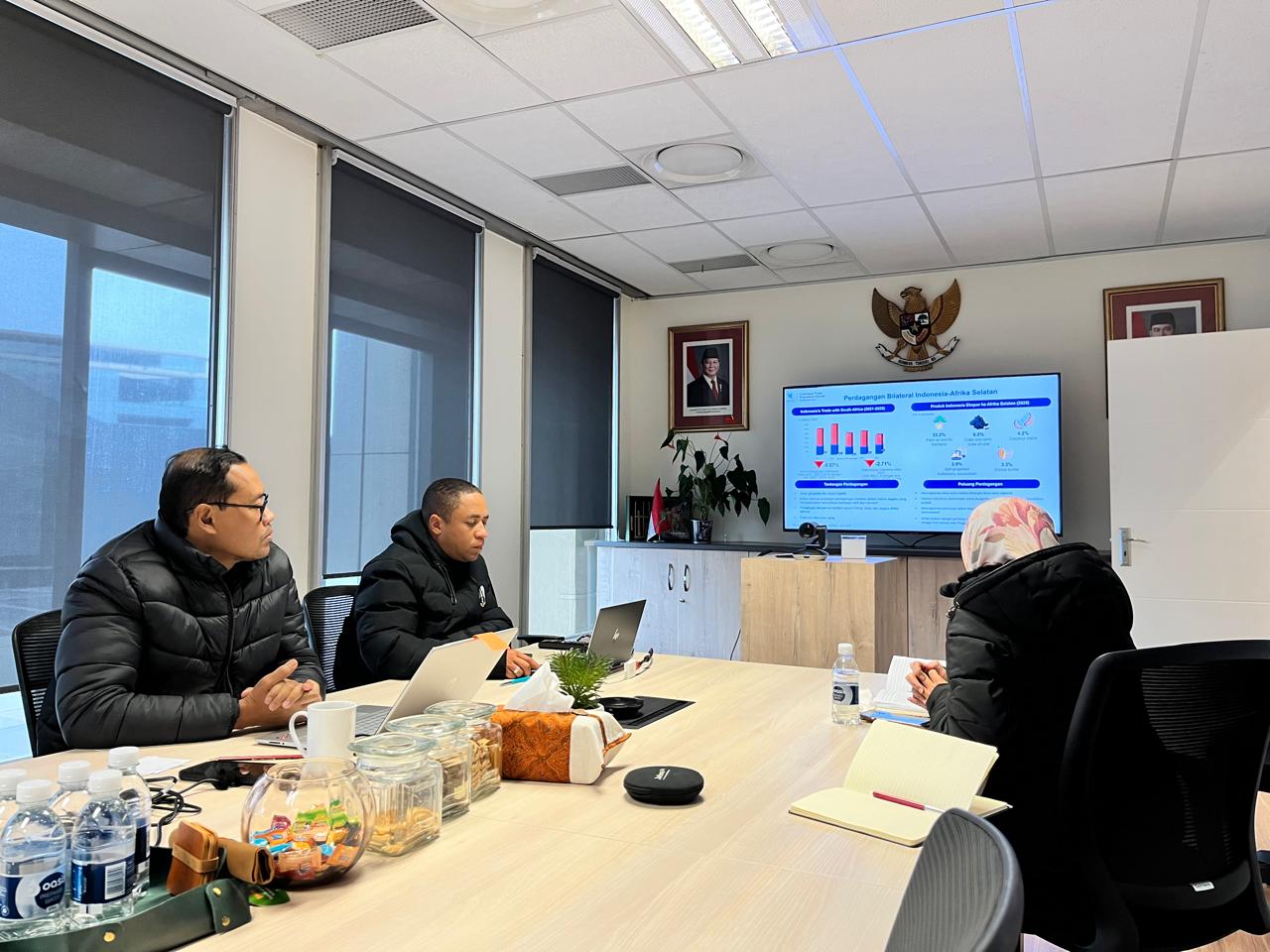
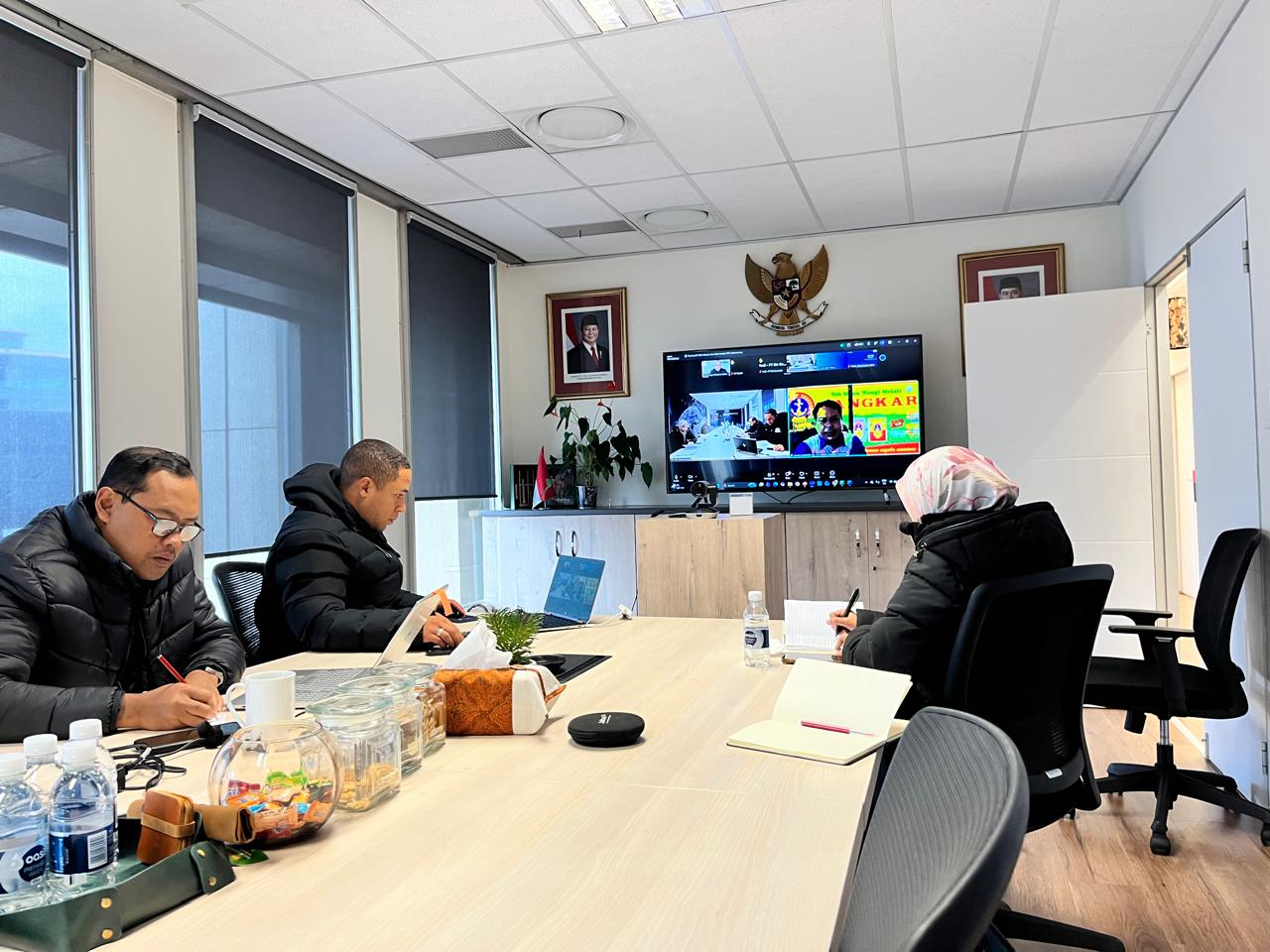
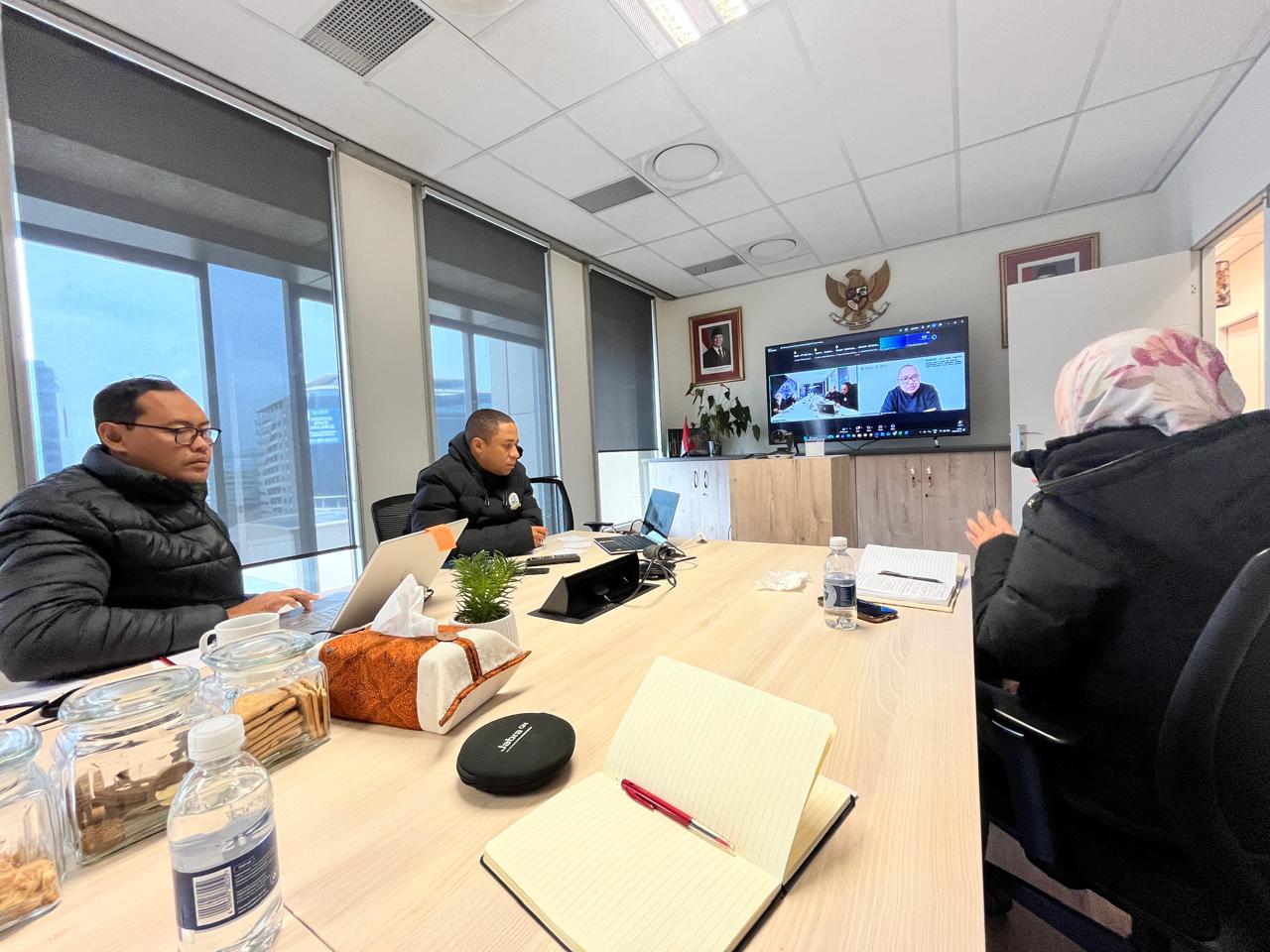
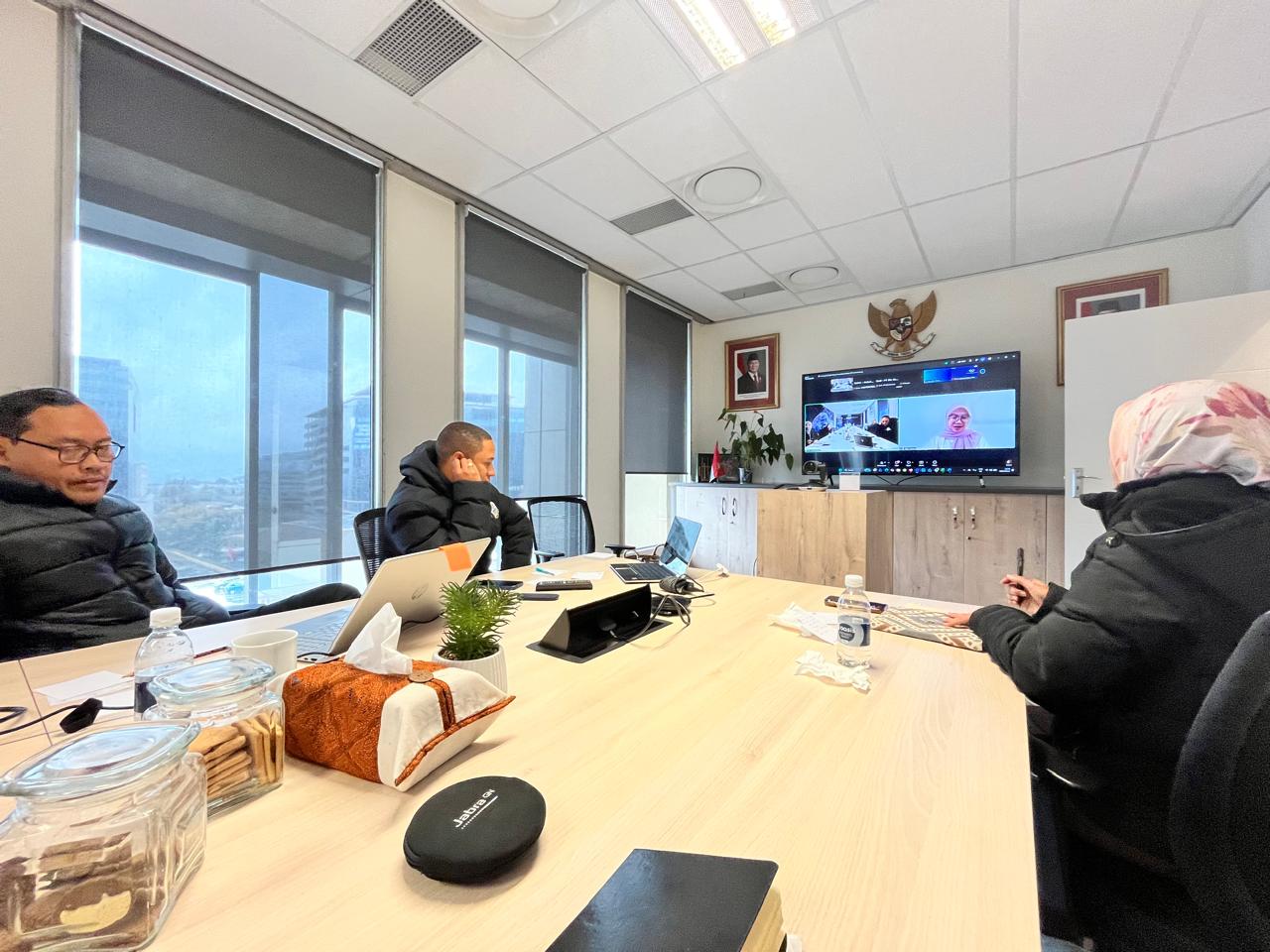
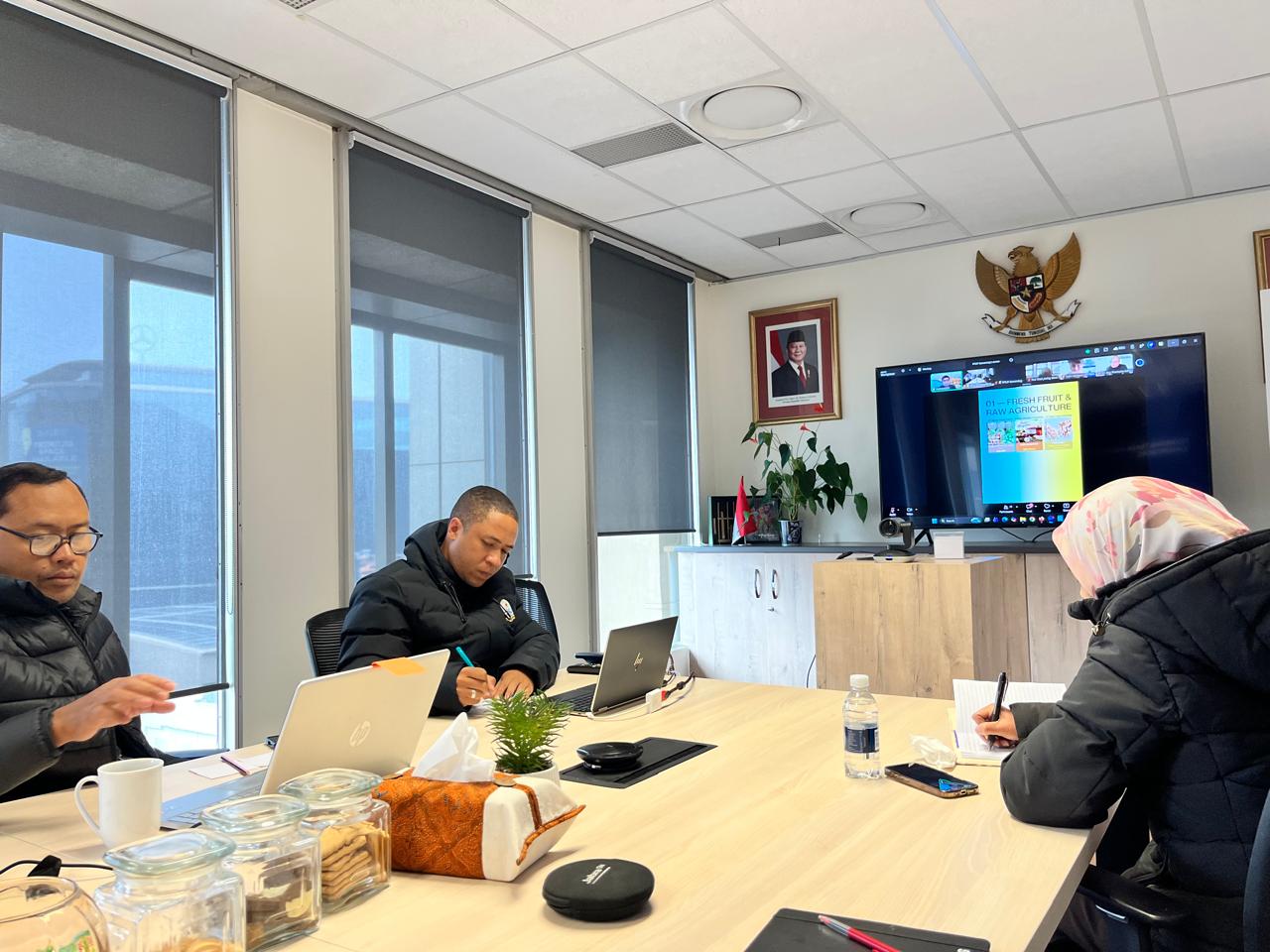
Business Pitching session: ITPC JOHANNESBURG AND PPEJP, MINISTRY OF TRADE, WITH PARTICIPANTS OF THE EXPORT COACHING PROGRAM (ECP)
9/8/2026
On 11 August 2026, the Indonesian Trade Promotion Center (ITPC) Johannesburg, in cooperation with the Directorate General of National Export Development through PPEJP of the Indonesian Ministry of Trade and the Department of Industry and Trade of West Java Province, facilitated a business pitching session involving Indonesian Micro, Small, and Medium Enterprises (MSMEs participating in the Export Coaching Program (ECP)) and prospective buyers from South Africa.
The initiative was designed to provide Indonesian ECP participants with an opportunity to introduce their products to the South African market, understand the requirements and expectations of potential buyers, and identify realistic opportunities for future commercial cooperation. The session formed part of ongoing efforts to strengthen Indonesian export performance in South Africa and encourage sustainable business relationships between Indonesian suppliers and South African companies.
The business pitching session was conducted virtually through Zoom and was organized according to different product and industry categories. This sector-based approach allowed discussions to focus on the specific characteristics, market conditions, consumer preferences, regulatory requirements, and commercial opportunities associated with each product category.
The participating businesses represented a broad range of industries, including agricultural products, food and beverages, processed food, home décor and furniture, health and herbal products, cosmetics and beauty products, pet food, fertilizers, and other industrial and agritech-related products.
The session began with an overview of the 30 ECP participants presented by the program coach. This was followed by a discussion of the opportunities available in South Africa, as well as some of the challenges Indonesian businesses may encounter when attempting to enter or expand within the market.
The individual companies then presented their products and received feedback regarding their market potential, positioning, regulatory requirements, competition, pricing considerations, and possible distribution channels.
The first presentation focused on Jasmine Green Tea, presented by Mr. Johan. The product was positioned around the characteristics of green tea, including its polyphenol content and associated health benefits.
During the discussion, it was noted that South Africa already has a well-established tea industry, particularly through Rooibos, which has strong domestic recognition and consumer loyalty. As a result Indonesian tea suppliers may face challenges in establishing themselves against locally produced alternatives.
An important consideration is the regulatory environment. SAFRA certification and other relevant requirements would need to be addressed before the product could be introduced commercially. The certification process was highlighted as potentially lengthy, which means that Indonesian exporters would need to prepare well in advance.
Rather than competing directly with established South African tea products, the recommended approach would be to focus on differentiated market segments. Green tea bags were identified as a potentially suitable product format because they can offer convenience, health-oriented positioning, and a product identity that differs from traditional local tea offerings.
PT Hernadi Jaya Abadi presented its carpet products, which were considered to have promising potential within South Africa's home décor and interior-design market.
The discussion highlighted the potential appeal of products incorporating natural materials, distinctive patterns, and designs inspired by both Indonesian and South African cultural influences. South African consumers, particularly within the middle-income market, were noted as having an interest in unique, creative, and visually striking home décor products.
The availability of specialty carpet and décor retailers provides potential distribution opportunities. However, exporters would need to carefully consider the competitive environment. Turkish carpet products are already present in the market and provide significant competition.
Import duties, the 15% VAT applicable to imported products, customs-related costs, transportation expenses, and the final retail price would all have an impact on competitiveness.
Despite these challenges, Indonesia has several advantages in this sector, including its established artisan traditions, diverse cultural designs, craftsmanship, and ability to produce distinctive home décor products. These characteristics could provide Indonesian carpet manufacturers with an opportunity to target consumers seeking products that are different from mass-market alternatives.
PT Eigen Natur Indo introduced its herbal products, with the discussion focusing on the potential demand for natural and traditional health-oriented products in South Africa.
The market was considered promising partly because of the prevalence of lifestyle-related health concerns and an existing consumer interest in natural remedies and alternative wellness products. However, the company would need to carefully determine how its products are classified and marketed within South Africa.
If a product is promoted or registered as a medicine, more extensive regulatory and licensing requirements may apply. This could result in a considerably longer market-entry process.
The company would therefore need to investigate the appropriate regulatory pathway, product registration requirements, import procedures, and distribution permissions before attempting to commercialize the products on a larger scale.
PT Bio Konversi presented its organic fertilizer and biofertilizer products. The discussion identified agriculture as an important sector in South Africa and highlighted opportunities for alternative and non-chemical agricultural inputs.
South Africa has significant agricultural production, with maize being one of the country's major crops. The agricultural industry therefore creates potential demand for fertilizers and soil-enhancing products.
The discussion also noted that South Africa relies partly on imported fertilizer products, including supplies from major international producers such as Russia and China. This indicates that there is an existing import market and established demand for agricultural inputs.
The potential opportunity for Indonesian suppliers would be to differentiate biofertilizer products through factors such as product effectiveness, environmental benefits, quality, and competitive pricing. However, exporters would still need to assess registration requirements, import regulations, product standards, and the preferences of local agricultural buyers.
PT Alam Nusantara presented coconut sugar and related products. During the discussion, soy sauce was identified as one of the products with particularly strong potential for the South African market.
Indonesian soy sauce products currently have relatively limited visibility in South Africa, while the existing imported market includes products originating from countries such as China and Thailand. This creates an opportunity for Indonesian producers to introduce more authentic Indonesian products and establish greater awareness among South African consumers.
For physical product promotion, ITPC Johannesburg proposed using upcoming promotional activities, including pop-up store opportunities in shopping malls. These events could provide Indonesian businesses with an opportunity to allow consumers and potential buyers to see, taste, and evaluate the products directly.
Packaging and product presentation will also be important. Products such as granulated coconut sugar could be offered in practical retail sizes, such as 500-gram and 1-kilogram packages, depending on the target market and distribution channel.
Ms. Silky from Zanana presented banana chips and other dried food products. The discussion indicated that South Africa has an established market for dried and snack foods, including fruit-based and meat-based products.
The opportunity for Indonesian snack manufacturers lies in introducing differentiated products, particularly those based on tropical fruits and Indonesian flavors. However, entering the South African food market requires careful attention to regulatory compliance.
The company would need to prepare the appropriate import and food-related documentation, with licensing procedures potentially taking approximately one year. Product labels would also need to comply with South African requirements, including the use of English and appropriate nutritional, ingredient, and product information.
Barcodes and relevant food certifications would also need to be prepared. Halal certification was highlighted as another useful certification for supporting market access and reaching specific consumer segments.
Food safety and regulatory compliance are particularly important because South African consumers and authorities place significant emphasis on food quality, safety, labeling, and product standards.
The pitching session demonstrated that there are opportunities for Indonesian products across a number of South African industries. However, market entry cannot rely solely on product quality. Indonesian companies will need to understand local consumer preferences, pricing structures, competition, import costs, regulatory requirements, certification processes, and appropriate distribution channels.
Products with a clear point of differentiation may have a stronger opportunity to succeed. Indonesian businesses can potentially use the country's cultural heritage, craftsmanship, natural ingredients, agricultural expertise, and distinctive food products as important selling points.
At the same time, companies should conduct further market research before committing to large-scale exports. Product samples, pricing assessments, buyer feedback, and regulatory evaluations will be important in determining which products have the strongest commercial potential.
The meeting concluded positively, with several product categories identified as having potential for further exploration in the South African market.
A key next step is for the participating Indonesian companies to provide product samples to ITPC Johannesburg. These samples can then be used for further market assessment, product evaluation, promotional activities, and engagement with prospective South African buyers.
ITPC Johannesburg will continue to support the participating ECP companies by facilitating market exploration, buyer identification, product promotion, and potential business connections. Where there is sufficient buyer interest, further communication and negotiations can take place with the objective of progressing from product introduction and sampling toward actual commercial transactions.
The business pitching session therefore served not only as a product presentation platform but also as an important initial step in establishing stronger business-to-business connections between Indonesian MSMEs and South African buyers.